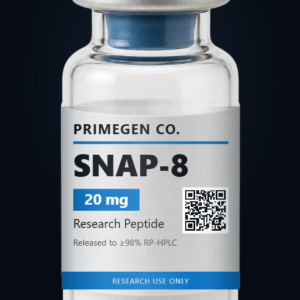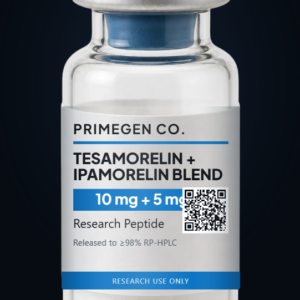
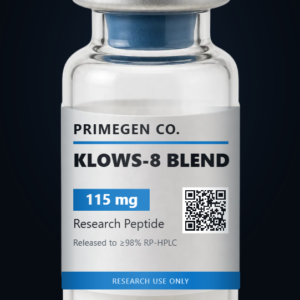
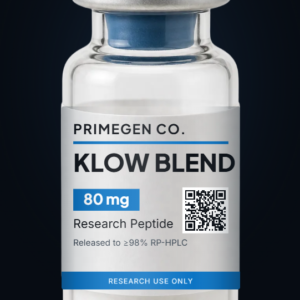
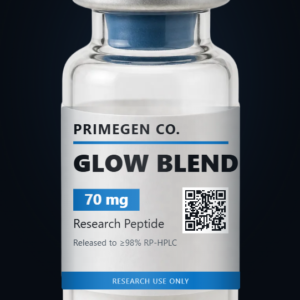
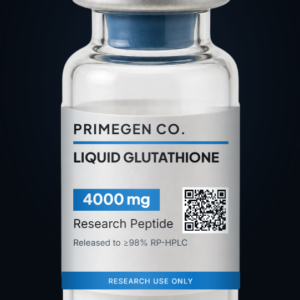
Skin & Hair
Skin & Hair Overview & Technical Specifications
Welcome to the comprehensive technical compendium for Skin & Hair, presented by PrimeGen Co. to support advanced scientific discovery and analytical investigation. This curated catalog division encompasses high-purity chemical reagents, synthetic peptides, and specialized biochemical references formulated to rigorous analytical specifications. Research entities exploring this domain frequently evaluate core benchmark compounds including Semaglutide 2 mg, alongside specialized reference standards such as Semaglutide 5 mg and Semaglutide 10 mg. Each individual production lot catalogued under Skin & Hair is synthesized using state-of-the-art automated solid-phase methodologies, ensuring high chromatographic purity, predictable stoichiometry, and uncompromised structural integrity across all experimental cohorts.
Analytical Characterization & Quality Architecture
Peptides and reference materials within the Skin & Hair index are subjected to comprehensive dual-assay validation protocols before release into active distribution. Primary analytical screening incorporates high-performance reverse-phase liquid chromatography (RP-HPLC) utilizing C18 bonded-phase columns and binary solvent gradients to separate the target sequence from truncated peptide fragments and synthesis side reactions. Structural verification is confirmed through electrospray ionization mass spectrometry (ESI-MS), verifying that the observed molecular ion corresponds precisely with theoretical mass calculations. Batch-specific Certificates of Analysis document measured chromatographic purity figures against certified minimum specifications (≥98.0%), furnishing investigative teams with the documented traceability required for reproducible in vitro testing and peer-reviewed academic publication.
Solvent Selection & Laboratory Reconstitution Practices
Achieving stable solution kinetics for reagents in the Skin & Hair library requires adherence to standardized laboratory reconstitution techniques. Lyophilized peptides are supplied in sealed borosilicate glass vials capped under inert atmospheric conditions to exclude atmospheric moisture and prevent oxidative degradation. When preparing stock solutions, sterile bacteriostatic water containing 0.9% USP benzyl alcohol represents the benchmark solvent for multi-use protocols, providing long-term microbial inhibition during extended study intervals. For single-use bioassays or cell-based culture systems where antimicrobial agents may interfere with enzymatic activity, sterile, endotoxin-free water for injection (WFI) should be employed. Reconstitution should always proceed by introducing diluents slowly down the inner glass wall of the vial, followed by gentle swirl agitation until complete dissolution occurs, strictly avoiding vigorous vortexing to preserve tertiary peptide conformations.
Storage Protocols & Environmental Integrity
Long-term preservation of biochemical reagents catalogued within Skin & Hair requires controlled thermal environments. Sealed lyophilized vials maintain maximum stability when stored at -20 °C in a dedicated, desiccated chamber protected from ultraviolet radiation. In their desiccated solid state, these compounds display significant resilience to brief ambient shipping intervals; however, sustained exposure to elevated ambient temperatures or humidity will accelerate peptide bond hydrolysis. Following reconstitution, liquid stock aliquots should be portioned into single-use polypropylene cryogenic vials and maintained at 2 to 8 °C for immediate use within three weeks, or transferred to -80 °C for long-term storage to preclude repeated freeze-thaw degradation. Personnel handling these reagents must adhere to standard laboratory biosafety protocols, including the use of certified personal protective equipment and calibrated micropipettes.
Regulatory Classification & Institutional Procurement
All compounds and biological materials catalogued under Skin & Hair are synthesized, labeled, and supplied strictly for in vitro laboratory research, educational experimentation, and analytical reference applications by qualified scientific personnel. These items do not carry regulatory approval for human, clinical, medicinal, therapeutic, or veterinary administration, and must not be utilized as food, drugs, cosmetics, or household chemicals under any circumstances. Procurement of materials from PrimeGen Co. implies that the purchasing institution maintains appropriate biosafety containment facilities, waste disposal protocols, and trained laboratory staff capable of safely handling lyophilized peptide reagents according to institutional standard operating procedures.
Showing all 2 results